

Originally published 3 August 2025. Substantially reviewed on 3 November 2026.
Information checked: 3 November 2026.
Good-value travel money depends on the amount you receive after fees, not a promise of “zero commission”. Compare cash and card options before leaving, while remembering that nobody can reliably tell you the best day to exchange currency.
Compare the final amount
Ask how much foreign currency you will receive for the same sterling amount, including delivery, collection or handling charges. A provider can advertise no commission while using a less favourable exchange rate. Check the quote’s expiry, minimum purchase and collection requirements.
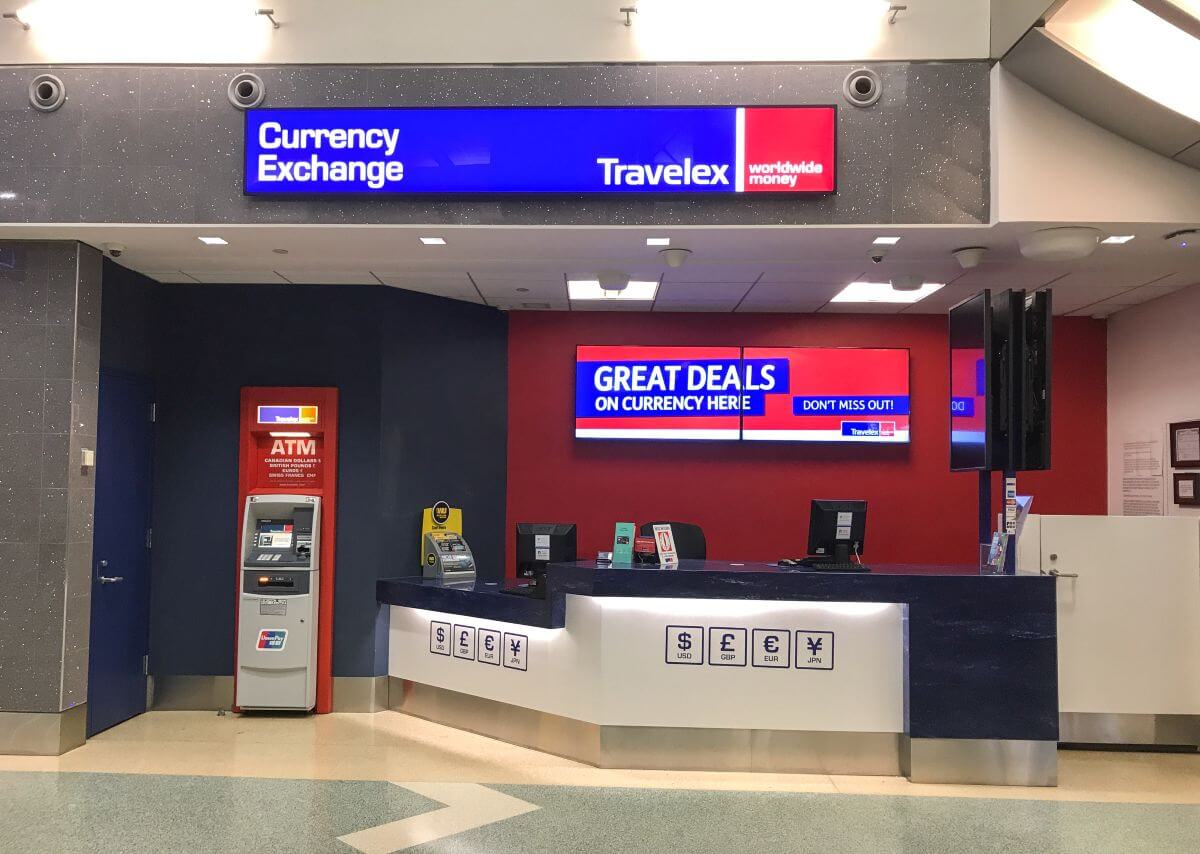
Airport walk-up services can be convenient, but compare them with advance orders and other suppliers. There is no universal percentage saving: an earlier version’s claim of an FCA-backed 5–7% saving was unsupported and has been removed.
Check your existing card first
Read the charges for purchases, cash withdrawals and currency conversion. Some cards have favourable overseas terms; others add fees. A credit-card cash withdrawal may attract interest immediately as well as a charge. A card described as fee-free can still have limits or exceptions.
MoneyHelper explains debit-card charges. Check your own provider’s terms rather than assuming every UK card works the same way.
Choose the payment currency carefully
When a terminal offers to charge in pounds, it is offering its own conversion. Paying in the local currency generally lets your card provider handle the exchange and avoids that merchant conversion. Your card’s own fees still apply. ABTA’s travel-money advice explains this choice.
At a cash machine, read the operator’s fee as well as any conversion offer. Declining conversion is not necessarily the same as cancelling the withdrawal. Check the displayed instructions before confirming.
Look beyond a prepaid card’s headline rate
Compare loading, withdrawal, inactivity and refund fees, supported currencies and limits. Check how an unused balance can be recovered and what happens if the provider fails. Prepaid and bank accounts do not necessarily offer identical protection.
Do not depend on one payment method
Check what is commonly accepted at your destination and keep a practical backup separately. Know how to contact your bank if a card is lost, and avoid carrying more cash than you need. The FCDO’s financial travel guidance covers preparation and difficulties abroad.
What about unused notes?
Check buy-back terms before purchase. The return rate may differ from the selling rate and a guarantee may have limits, deadlines or a fee. Keep receipts and consider the cost of converting a small balance again.
Is buying early always cheaper?
No. Buying in advance can make budgeting and collection easier, but rates may subsequently move either way. Set a spending budget and compare available quotes instead of treating exchange-rate timing as a guaranteed saving. This guide does not endorse a particular comparison service or currency provider.
