

Small changes to household bills can help, but compare actual costs rather than relying on advertised savings. These checks can show where a change is worthwhile.
Check online and paperless options

Ask whether paperless billing or online account management changes your price. There is no standard £200–£300 saving: compare the tariff offered and keep a way to receive bills reliably.
Compare bundles with separate services
A broadband and TV bundle may be convenient, but unused extras can make it expensive. Compare the full contract price, increases and exit charges against buying only the services you need.
Review renewals
Check alternatives when a contract ends. Switching is useful when the new offer suits you and any fees do not outweigh the saving. Do not assume changing providers every year is always cheaper.
Review insurance accurately
Choose an excess you could pay. A genuine additional driver may affect a car insurance quote, but always identify the true main driver. Giving someone else that role to obtain a cheaper price is fronting, a form of fraud. Compare cover and exclusions before changing a policy.
Match your phone plan to your usage
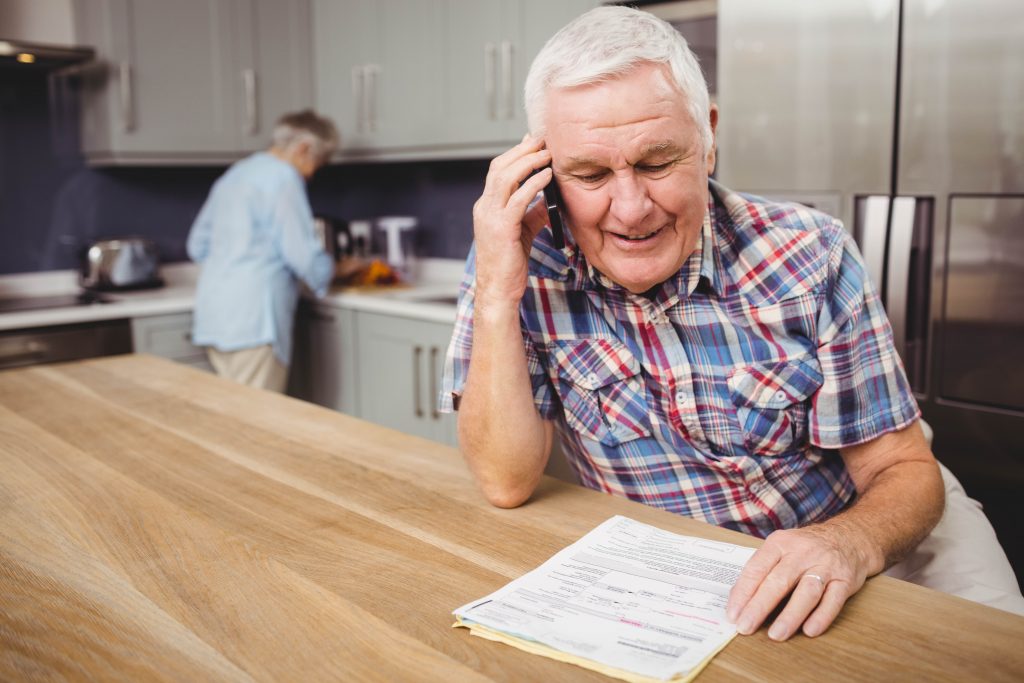
Check your data, calls and international charges. Internet calling may help, but it still needs a suitable connection and can use mobile data. Avoid paying for an allowance you rarely use.
Check for overlapping cover
Home contents insurance does not necessarily include accidental damage, items away from home or appliance breakdown. Compare the wording before cancelling a separate policy, and weigh limits and excesses against the value of the item.
Understand credit-card offers
A promotional balance transfer may reduce interest, but transfer fees, eligibility and the end date matter. Maintain minimum payments and plan how to clear the balance. Cashback is rarely worthwhile if interest and fees exceed the reward.
Investigate water metering
Whether a meter saves money depends on usage and local charges. In England and Wales, ask your supplier for an estimate and the rules that apply to your property. Trial and switching-back rights vary; returning to unmetered billing does not normally mean physically removing the meter. This Parliament briefing explains the exceptions. An assessed charge where a meter cannot be fitted is not a guaranteed saving.
Compare payment methods
Check whether direct debit changes the price and whether the collection dates fit your income. Review bills and readings so that a low monthly payment does not hide a growing balance.
Shop by value
Compare unit prices, quality and what you will actually use. Own-brand products can cost less, but buying more than you need can cancel the saving.
